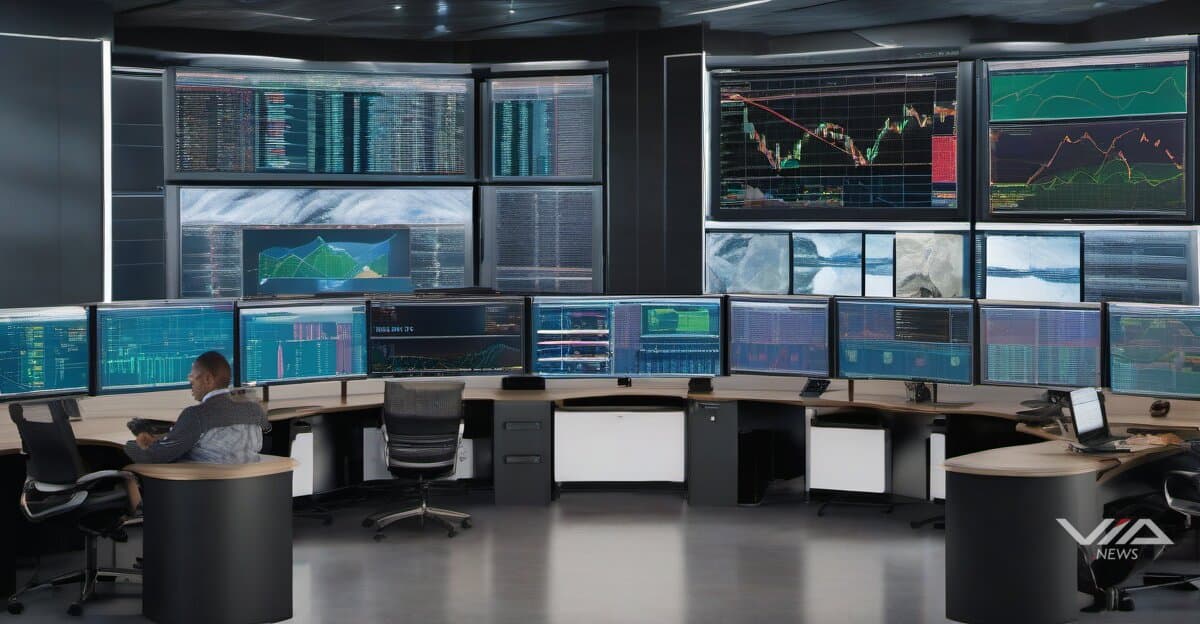
Several fintech platforms launched AI-driven trading systems in late 2025, deploying adaptive recalibration mechanisms and multi-route analysis infrastructure optimized for cryptocurrency markets.1,2,3 The deployments arrived as geopolitical conflict drove the VIX volatility index to 32% in early 2026, while Bitcoin ETFs recorded sustained institutional inflows despite market turbulence.4
Crown Point Capital unveiled an automated decision framework designed for digital-asset execution. The system avoids deterministic forecasts, instead aiming to preserve analytic alignment as markets evolve.2 The company anticipates automated platforms will shape next-generation digital-asset market frameworks.2
Finance Pilot deployed a platform with performance metrics dynamically updated from live trading data. Reporting transparency is embedded within the dashboard structure.1 The system features low-latency infrastructure built for high-frequency environments.
TPK Trading released an AI performance layer focused on execution precision. The company stated platforms capable of synthesizing large-scale data, adapting to volatility, and maintaining coherent performance will be well positioned to support digital-asset trading's future.3 TPK Trading expects automated trading environments to become more interdependent with global market structures.3
Bitcoin ETFs recorded six consecutive days of inflows in mid-March 2026, demonstrating institutional appetite persisted through volatility.4 The inflow pattern occurred as algorithmic systems processed heightened price swings and liquidity shifts.
The confluence of new AI trading infrastructure and elevated volatility highlights algorithmic systems' role during market stress. Adaptive mechanisms that recalibrate parameters in real time address challenges posed by rapid price movements and shifting institutional flows. As volatility episodes test execution quality, platforms with multi-route analysis and dynamic updates position themselves as infrastructure for digital-asset markets navigating geopolitical uncertainty.