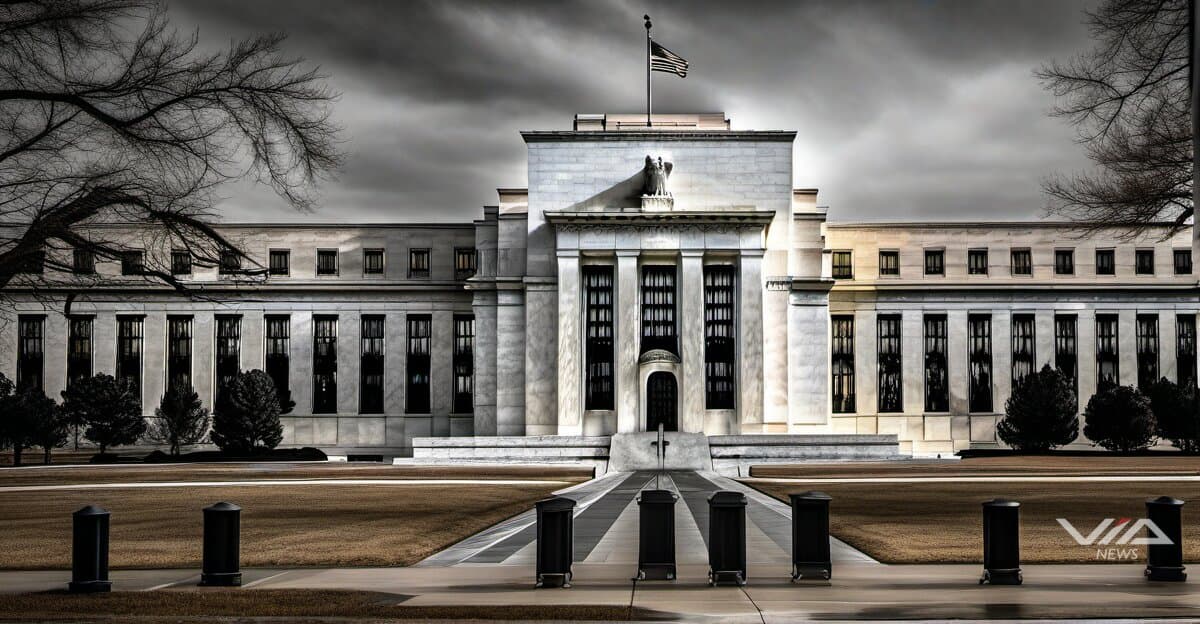
Fed Governor Christopher Waller put rate hikes back on the table May 22, ending the market's assumption that the next move is a cut.1 Speaking in Frankfurt, Waller delivered the sharpest hawkish signal from a sitting Fed official in months.
"Inflation is not headed in the right direction," Waller said.1 "I can no longer rule out rate hikes further down the road if inflation does not abate soon."1
The cause: supply-shock inflation from the Iran War, which began in February 2026. Oil price disruptions have arrested the disinflation trajectory the Fed expected to continue through mid-year.1
Waller's base case remains a hold — wait and watch until the war's inflationary impact becomes clearer.1 But he flagged that duration matters. High oil prices could dissipate quickly if the conflict is short.1 A prolonged war would force longer-term monetary tightening.1
Market Repricing: Equities, Forex, Commodities
Waller's Frankfurt remarks triggered immediate repricing of rate-hike probability across asset classes. The reversal from anticipated cuts to potential hikes reshuffles the calculus in three markets simultaneously.
Equities face multiple compression. Growth stocks, which rallied on the expectation of 2026 rate cuts, are most exposed to a higher-for-longer repricing. Rate-sensitive sectors — utilities, real estate, long-duration tech — carry the most downside if hikes materialize.
Forex markets are reacting to renewed dollar strength signals. Rate-hike expectations typically draw capital into dollar assets, pressuring emerging market currencies and compressing commodity-linked currencies that had benefited from the prior dovish outlook.
Commodities present a structural contradiction: oil remains elevated due to the Iran conflict — the same dynamic driving the inflation the Fed must now fight. Gold faces dollar headwinds from the hawkish pivot, even as inflation-hedge demand persists.
Institutional Turbulence Adds Policy Risk
The FOMC's recent vote was 8-4 with three dissents — unusually fractious for a body that relies on consensus signaling.2 Kevin Warsh has replaced Jerome Powell as Fed chair following a Trump-Justice Department confrontation with Powell.2
Warsh enters leading what insiders describe as a "family fight" over the rate path.2 The internal divisions create a separate layer of uncertainty: markets must now price not just the macro outcome, but the Fed's ability to deliver a coherent policy signal at all.
Waller's hike warning, an 8-4 split, and a new chair inheriting a divided institution: the Federal Reserve's policy trajectory is the least legible it has been in years. For traders, that ambiguity itself is the position.