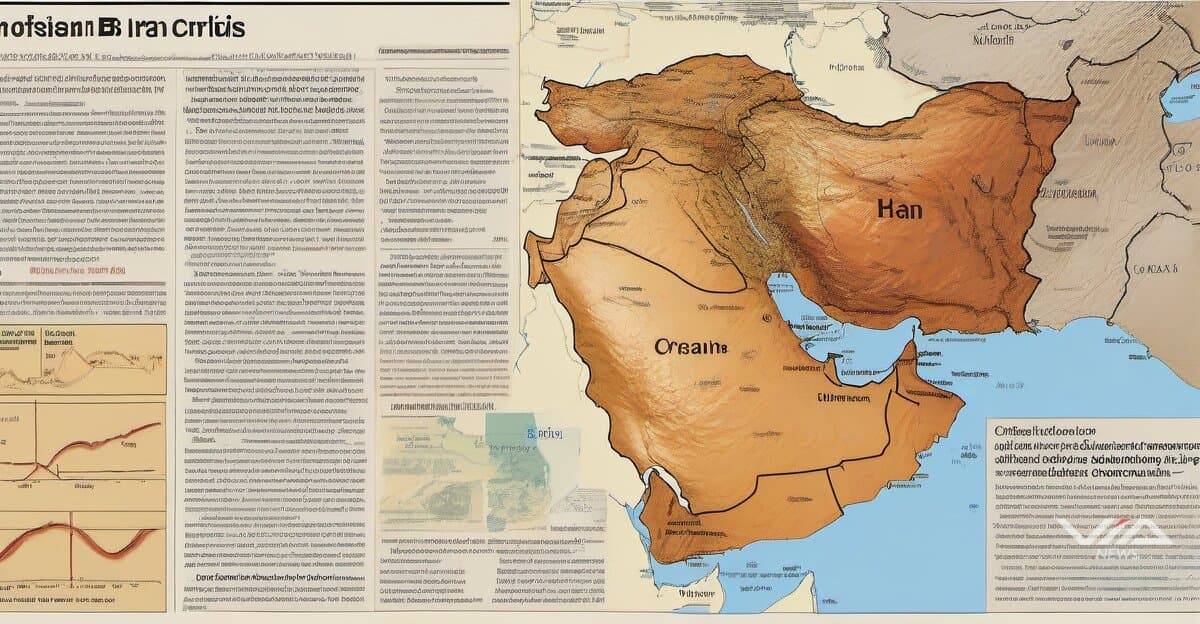
WTI crude oil prices collapsed 11% on April 18 following Iran's announcement that the Strait of Hormuz was completely open, ending a critical supply disruption that had threatened global energy markets.1 The reopening triggered an immediate equity market surge as traders reassessed inflation risks that had dominated central bank deliberations.
The ECB is now leaning toward delaying rate decisions until June to assess whether the oil shock proves temporary or persistent, according to ECB Governing Council member Alexander Demarco. "Given higher uncertainty at the moment, June is a better moment than April," Demarco stated.2
The Dallas Federal Reserve had previously noted that expectations of higher prices could decline quickly if the Strait reopened, suggesting the oil shock's impact on inflation expectations may be modest over the long term.3 The sharp price reversal on April 18 appears to validate that assessment.
ECB board member Olaf Sleijpen outlined the central bank's contingency framework: "Persistently high oil prices will ultimately feed through to the prices of other products, and thus also to wage formation, which could amplify inflationary effects. In that case, the ECB will naturally intervene to keep inflation around 2% in the medium term."4
The crisis created divergent challenges across major central banks. The Fed and BOJ maintained cautious stances ahead of April meetings, weighing whether temporary energy price spikes warranted policy shifts. The dramatic market reversal following the Strait's reopening reduces immediate pressure on all three institutions.
Commodity markets are now recalibrating after weeks of volatility. The 11% single-day crude decline ranks among the sharpest moves in recent years, reflecting both the magnitude of supply disruption fears and relief at their resolution. Equity markets responded with broad gains as energy-sensitive sectors repriced inflation expectations.
Central banks face continued uncertainty over whether geopolitical risks could reignite oil price volatility. The ECB's June timeline provides a two-month window to observe whether energy prices stabilize and inflation expectations remain anchored near 2% targets.