

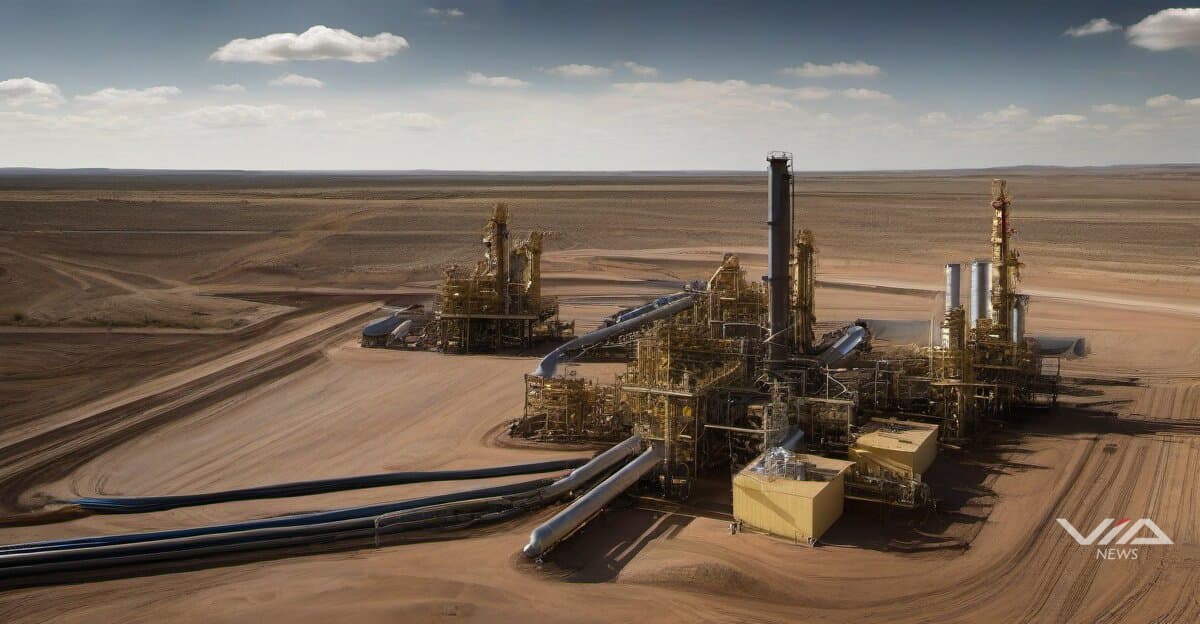
That concentration is now the risk. Growth is increasingly tied to takeaway infrastructure — pipelines, processing plants, and export terminals — rather than well output alone.1 If capacity additions lag production, the government's own data trend could plateau or reverse.1
Two projects carry the weight. The Vaca Muerta Sur oil pipeline is meant to unlock new export volumes to the Pacific and Atlantic coasts. Gas pipelines to Brazil and Chile determine how much associated and dry gas can leave the basin at all.1 Delays on either front do not just slow growth — they can force operators to curtail output at the wellhead.1
For commodity traders, curtailment risk cuts both ways. Forced output caps would tighten Argentine supply reaching export markets, a bullish signal for regional oil and LNG-linked gas pricing. But it also caps the upside case built into Argentina's energy-export growth story, a case increasingly priced into peso and sovereign debt sentiment.1
Export revenue is the direct channel. Argentina has leaned on rising shale volumes to narrow its energy trade deficit and generate hard-currency inflows. A production plateau driven by bottlenecks — not by geology or demand — would show up first in export revenue lines rather than production statistics, since barrels stuck behind pipeline constraints do not convert to dollars.1
The risk is rated major in severity with medium likelihood, reflecting that infrastructure builds are underway but unproven at the pace shale output now requires.1 Traders watching Argentine energy names and regional gas benchmarks should treat pipeline completion timelines — not monthly production prints — as the leading indicator for whether this growth story holds.