

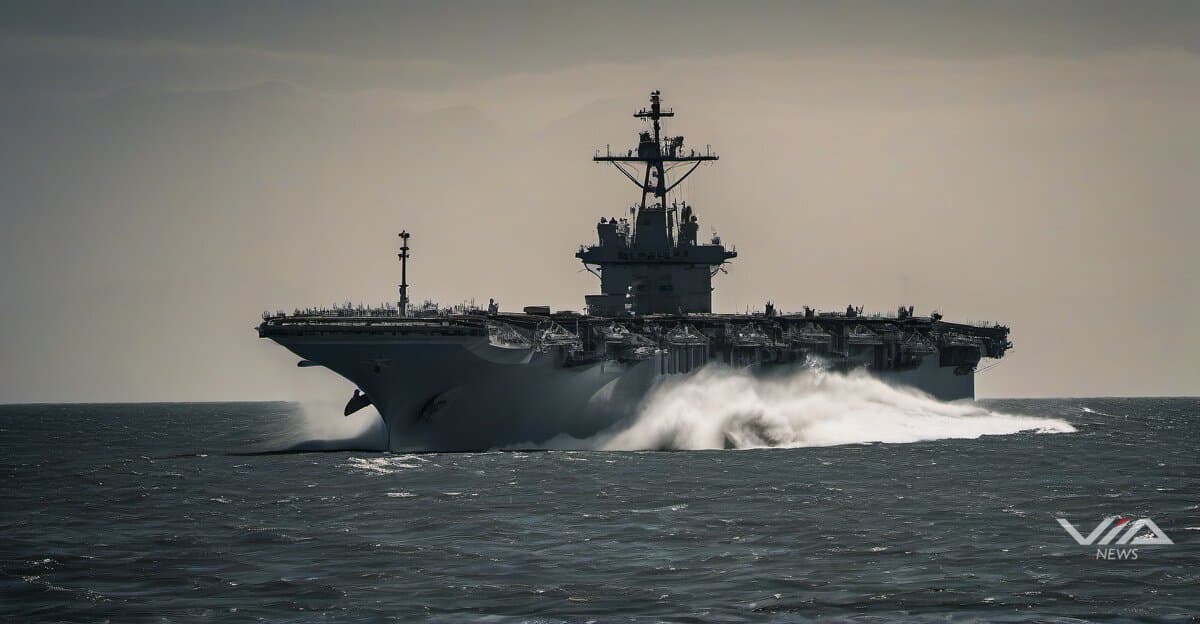
Oil prices surged past $100 per barrel on April 14, 2026, driven by a US-ordered blockade of the Strait of Hormuz against Iran.1 The geopolitical shock triggered acute volatility across commodity and currency markets as traders fled to traditional safe havens.
The dollar firmed sharply on safe-haven demand as escalating US-Iran tensions dominated market psychology.2 Currency traders pivoted away from risk-sensitive assets, strengthening the greenback against most major pairs. Equity markets trimmed earlier losses but remained under pressure as the crisis unfolded.1
The Strait of Hormuz blockade created immediate supply concerns for global oil markets. Roughly one-fifth of the world's petroleum passes through this critical chokepoint, making any disruption a material risk to energy prices. Traders priced in potential supply constraints, pushing crude benchmarks into triple digits for the first time since previous geopolitical crises.
This risk-off environment emerged against a backdrop of stable monetary policy. The Bank of Canada held rates at 2.25% while the Federal Reserve maintained its current stance, providing no policy catalyst for the market moves.2 The disconnect between stable central bank policy and volatile asset prices underscores how geopolitical shocks can override fundamental factors in commodity and currency trading.
Currency markets showed classic crisis behavior patterns. Safe-haven flows into the dollar came at the expense of commodity-linked currencies and emerging market units. Trading volumes spiked as institutional players repositioned portfolios to reduce geopolitical exposure.
The crisis presents trading challenges and opportunities. Long oil positions benefited from the spike, while currency pairs involving the dollar saw significant intraday ranges. Volatility measures increased across energy futures and forex markets, raising hedging costs for commercial users.
Broader market uncertainty reflects economic headwinds beyond the immediate crisis. Canadian consumer debt indicators showed financial stress from economic uncertainty even before the blockade news.3 This existing fragility amplified the market reaction to geopolitical developments.
Traders now watch for diplomatic developments and physical oil flow data from the Strait. Any escalation could push prices higher, while de-escalation might trigger profit-taking in extended positions. Currency markets will likely track risk sentiment closely in coming sessions.