

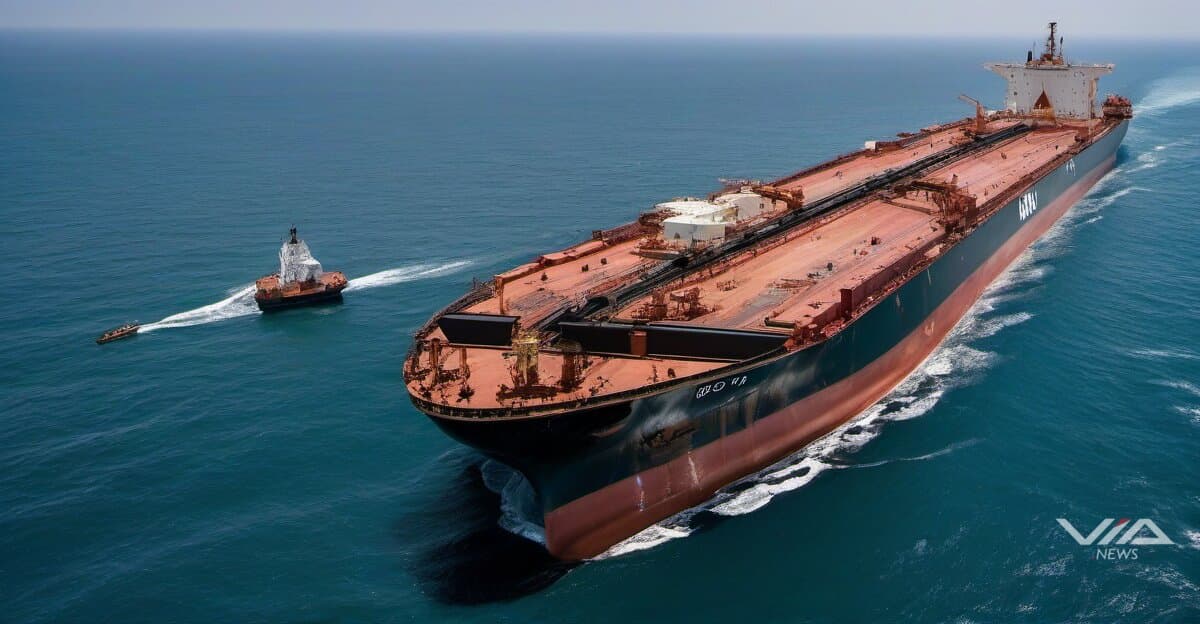
The Strait of Hormuz blockade has removed approximately 20 million barrels per day from global oil markets, marking the largest supply disruption ever measured, according to MacroEdge Research.1 WTI crude oil prices surged March 6, 2026, as the chokepoint closure cut roughly 20% of global supply amid escalating US-Iran conflict.
The US has signaled a four-to-five-week military campaign to address the blockade, according to Nikos Tzabouras.2 The timeline suggests markets face sustained volatility as the world's most critical oil transit point remains shut. The Strait of Hormuz typically handles one-fifth of global petroleum liquids, making any disruption immediately material to prices.
Scott Wren of Wells Fargo noted that geopolitical situations affecting oil prices, particularly in the Middle East, have the largest impact on financial markets.3 The current crisis combines supply shock severity with geopolitical uncertainty, amplifying price movements and risk premiums.
Tzabouras warned that sustained high energy prices may trigger reflationary pressures weighing on a global economy already facing tariff headwinds.2 The initial supply disruption tailwind could ultimately turn into a demand destruction headwind if elevated prices persist. Energy-intensive industries and consumers face mounting cost pressures that could dampen economic activity.
Commodity markets are displaying elevated volatility as traders price in extended disruption scenarios. The rapid price surge reflects both physical supply tightness and speculative positioning ahead of potential further escalation. Energy stocks have gained on scarcity premiums, while transportation and manufacturing sectors face margin compression.
The crisis tests global oil inventories and alternative supply routes. Asian buyers dependent on Middle Eastern crude face the most immediate impact, while US shale producers may accelerate output to capture elevated prices. The duration of the blockade will determine whether the shock remains a short-term price spike or transitions into broader economic drag through inflation channels.