

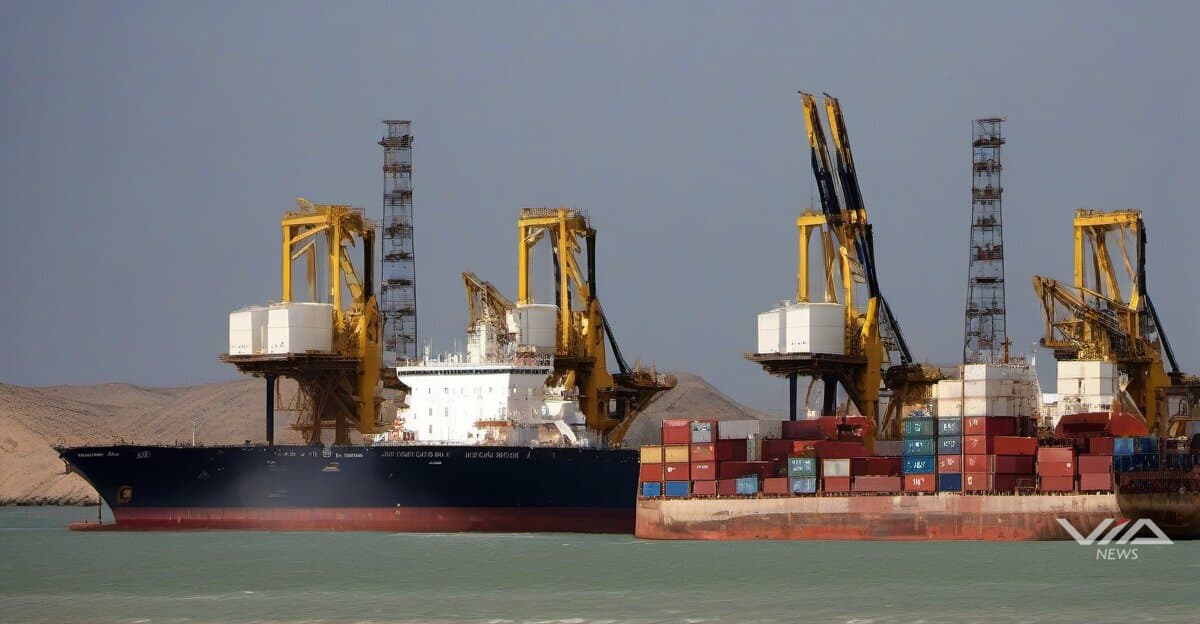
Iran's proposal to reopen the Strait of Hormuz triggered a sharp risk-on rotation in global markets Monday. Gold and silver sold off hard. The Nikkei surged to a record high. The dollar weakened.1
Traders are pricing in near-term de-escalation. The White House confirmed active review of the Iranian offer. But the diplomatic signal is fragile: Trump canceled Iran negotiations in Pakistan just 24 hours earlier.1
The commodity rotation is clear. Precious metals — long the go-to hedge for geopolitical risk — are unwinding as safe-haven demand fades. The dollar's drop reflects reduced risk aversion, not economic strength. Japan's equity rally points to global growth optimism returning, however tentatively.
The underlying economic damage, however, is compounding. U.S. consumer sentiment hit a record low of 47.6 in April. Gasoline has reached $4 per gallon. Global oil demand is on track for its largest monthly decline in five years.2
German business and consumer confidence have collapsed to multi-year lows — a warning that energy-driven stress is spreading through the eurozone manufacturing core.
IMF chief economist Pierre-Olivier Gourinchas warned the oil shock could rival the 1970s crisis, with risks of elevated unemployment and food insecurity in vulnerable economies.3
University of Michigan economist Justin Wolfers was blunt: "If we don't get a satisfactory resolution, then that concern remains." He added that the cost pressures Americans are feeling are very real, and that without a deal, expensive energy could persist for years.4
The risk: markets are celebrating a resolution that isn't confirmed. One diplomatic setback — like the Pakistan cancellation — could reverse the entire rotation quickly. Traders rotating out of gold and silver now are making a bet on a deal closing, not on one being done.
Oil demand destruction is already baked in. The billion-barrel demand shock building since the Strait was threatened has begun showing up in data.2 A diplomatic thaw may slow the bleeding, but it won't erase April's demand cliff.
Watch for gold to serve as the real-time verdict on whether diplomacy holds. A sustained breakdown below key support would confirm traders believe the deal is real. A reversal back toward recent highs would signal the optimism is already fading.