Sunday, October 11, 2026

Live Nation Faces High-Risk Antitrust Action That Could Force Ticketmaster Divestiture

Live Nation Entertainment confronts severe regulatory scrutiny over its Ticketmaster unit's dominance in live entertainment ticketing, with antitrust authorities assessing forced divestiture or operational restrictions. The regulatory risk carries catastrophic severity with high likelihood, threatening the core of Live Nation's vertically integrated business model that combines venue ownership, concert promotion, and ticketing infrastructure.

Live Nation Faces High-Risk Antitrust Action That Could Force Ticketmaster Divestiture
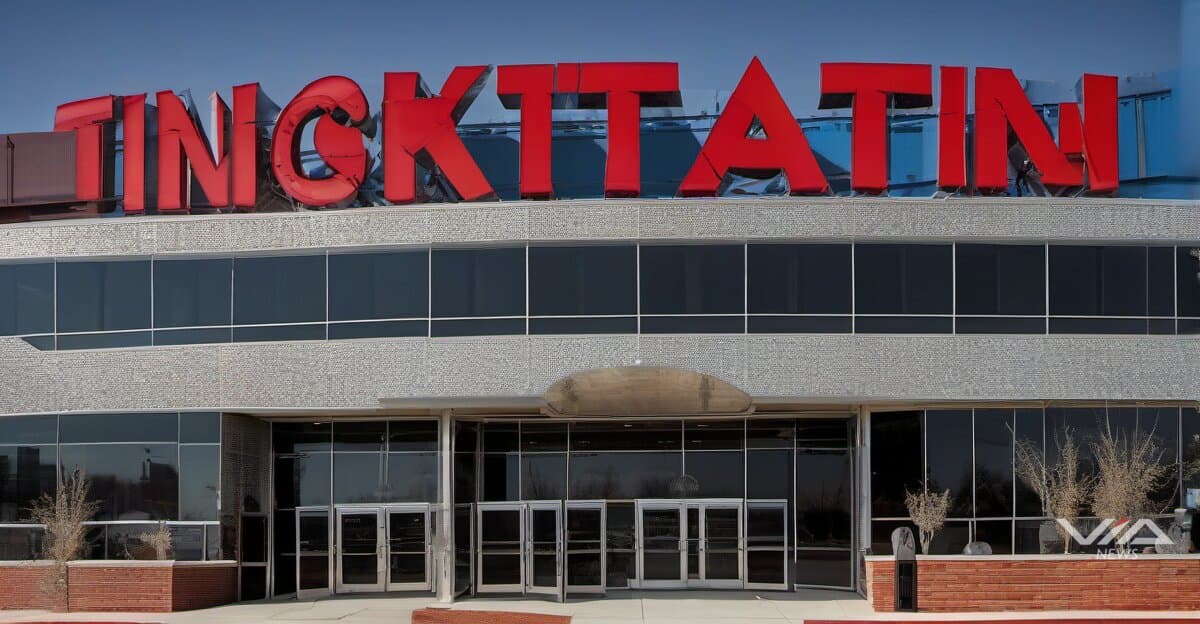
Image generated by AI for illustrative purposes. Not actual footage or photography from the reported events.
Loading stream...

Live Nation Entertainment faces antitrust enforcement action that regulators assess as highly likely to result in forced divestiture of Ticketmaster or significant operational restrictions. The regulatory threat targets the company's monopolistic position across live entertainment ticketing.

Antitrust authorities have classified the risk as catastrophic severity with high likelihood of enforcement. The assessment reflects years of complaints from consumers, artists, and lawmakers over Ticketmaster's market control and fee structures that dominate ticket sales for concerts and live events.

Live Nation operates a vertically integrated model controlling venue ownership through its amphitheater and club networks, concert promotion for major tours, and ticketing infrastructure via Ticketmaster. This structure has faced criticism since the 2010 merger that combined Live Nation and Ticketmaster under Justice Department approval with conditions regulators later deemed insufficient.

Potential remedies under consideration include forced divestiture separating Ticketmaster from Live Nation's promotion and venue businesses, restrictions on exclusive ticketing contracts with venues, or operational limits on bundling services across the vertical chain. Each option would fundamentally reshape the company's competitive advantages and revenue model.

The ticketing monopoly generates substantial margins through service fees that consumers and artists have challenged as excessive. A divestiture would eliminate the cross-selling leverage Live Nation gains by requiring acts booked through its promotion arm to use Ticketmaster systems at its controlled venues.

Market observers note the regulatory action carries execution risk for shareholders given uncertainty over divestiture valuation, business separation costs, and the standalone viability of each unit. Live Nation's stock performance will likely track developments in antitrust proceedings and any settlement negotiations that emerge.

The entertainment industry watches closely as the case could establish precedent for vertical integration limits in event ticketing and live entertainment markets where scale and exclusive relationships create high barriers to competitive entry.

What we know · the intelligence behind this page
Live from the substrate
What we're seeing
Agentic AI Rewires Enterprise Software: Platform Incumbents, Governance, and a Funded Startup Wave
Enterprise software is being rebuilt around autonomous AI agents. Incumbents and large platforms (SAP with its Autonomous Suite and Joule, Zeta with AthenaOS/AIM/Athena MCP, Meta with its new Enterprise Platform) are racing to own the agent layer. Meanwhile, seed and Series A money flows to finance-office and vertical startups (Dextr, Latitude, Dentira, Light), and consolidation continues through acquisitions (Tiny–Oso Cloud, Harvey–Guardrails AI). Investor commentary stresses that AI is better at disrupting around the edges of systems of record than at replacing them, that it should not be trusted with finance calculations, and that governance must be enforced by the system rather than left to agents.
Our read on the data ›
Signals we're tracking
EPKINLY Regulatory-Clinical Success Cascade
High probability of expanded label indications, additional combination approvals, and competitive positioning strength in follicular lymphoma market. Predicts positive commercial uptake and potential accelerated review for related indications.
Patterns we're watching ›
Where sources disagree
ING Group
Both facts record the same metric (shares_outstanding) for ING Group at the identical observation date (2025-12-31). FACT A states 2,902,437,688 shares; FACT B states 2,902 million shares (2,902,000,000). The difference is 437,688 shares (~0.015%). This is a genuine value conflict, though the discrepancy appears to result from FACT B rounding to the nearest million while FACT A provides the precise count.
We flag conflicts openly ›
Recently verified
✓ Checked against the original source
4,986
facts traced to their source — and we flag the ones that don't hold up.
101 entities tracked4,986 facts checked against source5,369 source documents archived
Query this data → isubstrate.com