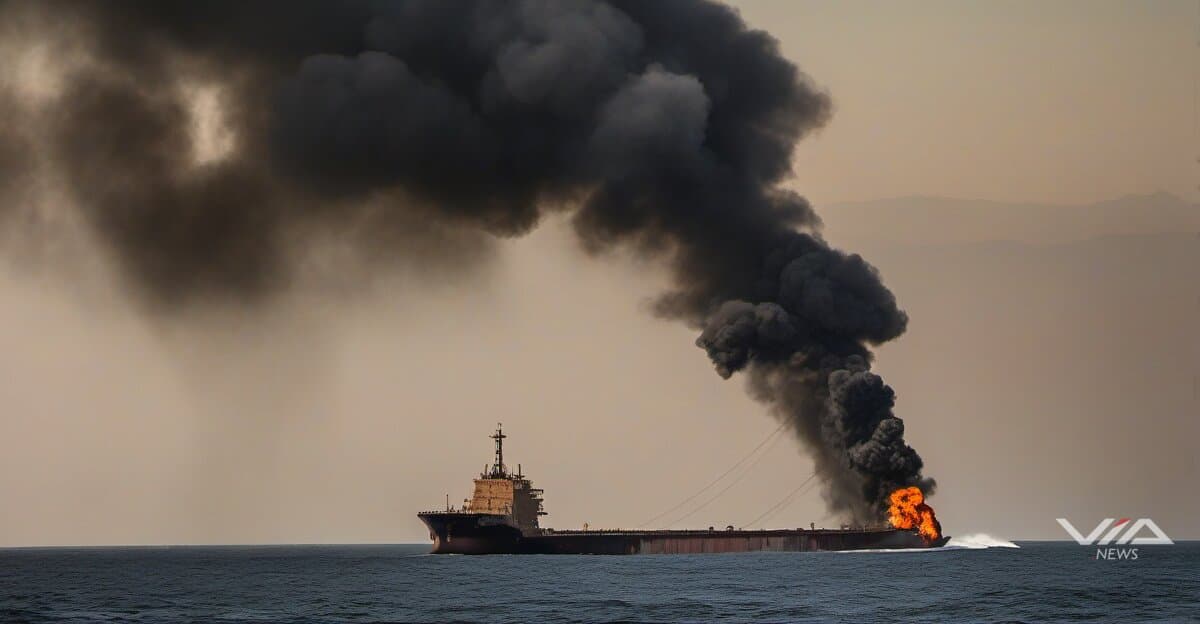
Nine weeks after a US-Israel military strike on Iran triggered a Strait of Hormuz closure, US gasoline has reached $4 per gallon and no resolution is in sight.
The Federal Reserve is holding rates steady, caught between fighting inflation and avoiding recession. Equity markets have touched yearly lows. Stagflation — high inflation paired with stagnant growth — is now the baseline fear among economists.
IMF chief economist Pierre-Olivier Gourinchas warned the crisis could rival the severity of the 1970s oil shocks.1 Those crises rewrote global monetary policy and produced years of economic stagnation. Gourinchas also flagged elevated unemployment and food insecurity as downstream risks, particularly for vulnerable economies.1
Economist Justin Wolfers was direct: "If we don't get a satisfactory resolution, then that concern remains."2 Expensive energy, he warned, could persist for years. He added that cost pressures Americans are feeling are "very real" — showing up in consumer sentiment data and retail spending figures.2
Demand destruction has spread from Asian petrochemical markets into Western consumer economies. Higher input costs are now rippling through manufacturing, transport, and retail supply chains.
The Fed's dilemma has no clean exit. Rate hikes to curb energy-driven inflation risk tipping the economy into recession. Holding steady allows inflation expectations to drift higher. Markets have priced in the paralysis.
The Strait of Hormuz handles roughly 20% of global oil trade. Nine weeks of closure is without modern precedent in duration. The longer it holds, the more supply chains reprice around it — spot charters, alternative routing costs, and insurance premiums are all elevated.
Energy futures curves reflect sustained pressure through at least mid-year. Traders are not pricing a quick resolution. Military postures remain hardened with no diplomatic breakthrough visible.
The 1970s analogy is instructive but sobering. Those crises ended — but only after years of economic pain and a hard policy reset. If this disruption follows a similar arc, markets are still in the early innings.