

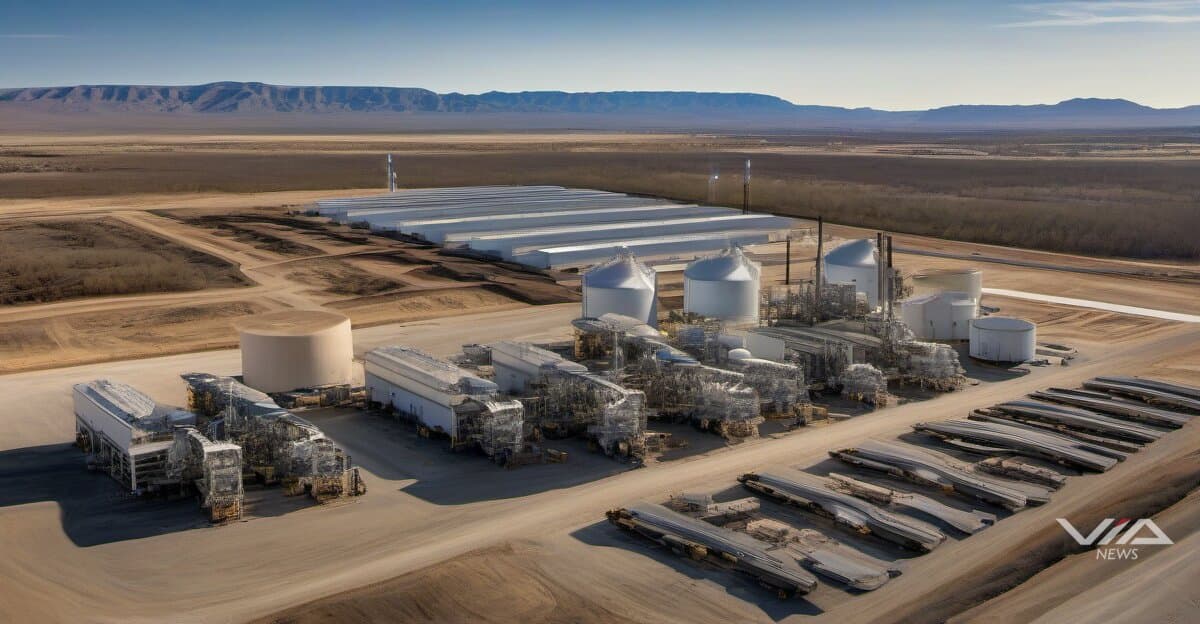
U.S. manufacturing is experiencing capacity expansion driven by regulatory catalysts and technology adoption across defense and automotive sectors.1 The 2027 DFARS ban on Chinese rare earth materials for defense contractors is accelerating onshoring investments in critical mineral processing and manufacturing infrastructure.2
Defense supply chain security requirements are forcing contractors to establish domestic rare earth sourcing capabilities. Companies supplying military systems face a hard deadline to eliminate Chinese-origin materials from production lines, creating immediate demand for U.S.-based processing facilities and manufacturing partnerships.2
Automotive technology shifts are adding momentum to manufacturing investment. L3 autonomous driving systems and SDV 2.0 architecture platforms launching in 2028 require advanced production capabilities beyond traditional assembly operations.3 These technologies demand precision manufacturing and quality control systems that favor established domestic facilities.
Case IH demonstrated "Made in USA" manufacturing strength in recent facility operations, highlighting capacity among established industrial players.4 The agricultural equipment sector maintains production expertise that translates across industrial manufacturing applications, particularly for complex electromechanical systems.
Manufacturing companies positioned at the intersection of defense supply requirements and automotive technology stand to benefit from converging investment drivers. Rare earth processing capabilities combined with advanced manufacturing infrastructure address both regulatory mandates and market demand for sophisticated vehicle systems.
The manufacturing renaissance extends beyond pure-play industrial stocks. Component suppliers, materials processors, and technology integration firms serving defense and automotive end markets face rising order visibility through 2028. Companies with existing U.S. production footprints avoid the capital intensity of greenfield facility construction while capturing margin expansion from domestic content premiums.
Supply chain reconfiguration costs remain a near-term margin headwind, but regulatory certainty around the 2027 deadline and confirmed automotive technology timelines reduce execution risk. Manufacturing firms with established customer relationships in defense contracting or Tier 1 automotive supply chains hold competitive advantages in securing long-term production agreements.
Investors should evaluate manufacturing sector exposure through production capacity utilization rates, domestic content percentages, and customer concentration in defense or advanced automotive programs. Companies announcing facility expansions or rare earth processing partnerships warrant closer analysis for 2027-2028 revenue growth potential.