
Sunday, October 11, 2026

ACES Specialty Insurance launches with $30M surplus amid E&S carrier solvency concerns

American Coastal's new E&S carrier ACES Specialty Insurance enters Florida, Texas, and South Carolina commercial property markets with $30 million policyholder surplus—a capital level analysts warn may prove insufficient for catastrophic weather events. The launch comes as reinsurance costs climb and specialty insurance carriers face intensifying scrutiny over balance sheet strength.

ACES Specialty Insurance launches with $30M surplus amid E&S carrier solvency concerns
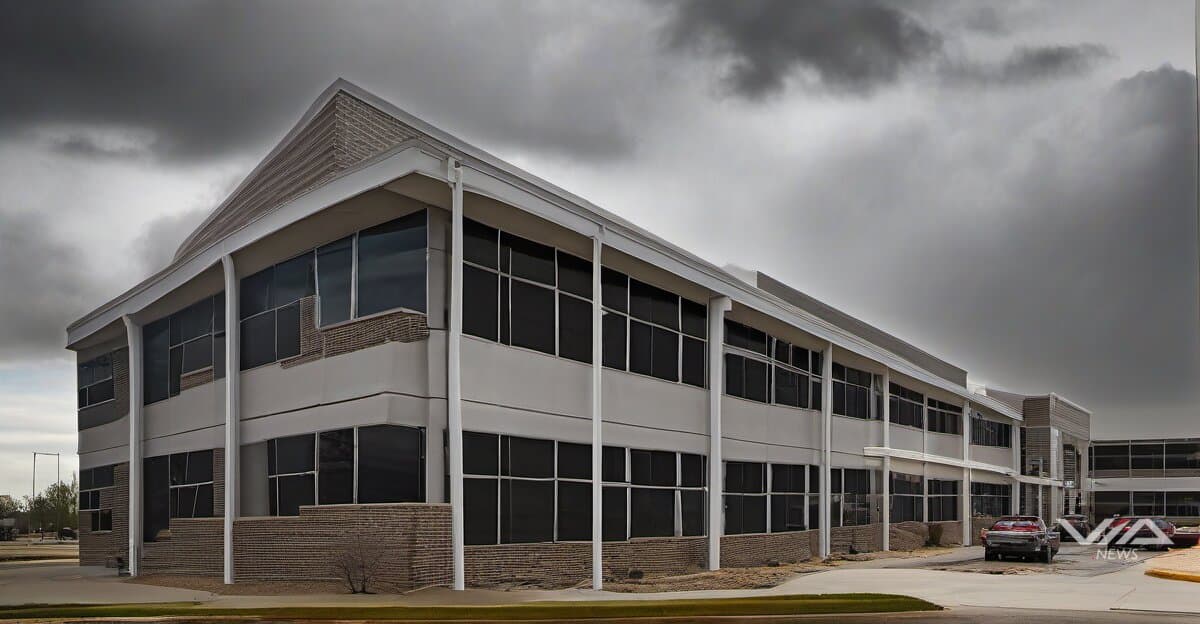
Image generated by AI for illustrative purposes. Not actual footage or photography from the reported events.
Loading stream...

ACES Specialty Insurance Company, a wholly owned excess and surplus lines carrier formed by American Coastal, has launched operations with $30 million in policyholder surplus to underwrite commercial property insurance across Florida, Texas, and South Carolina.

The capital base raises questions about catastrophe loss absorption capacity. A single major hurricane or multiple severe weather events could exceed the carrier's surplus, particularly as reinsurance markets tighten and catastrophe bond costs increase. E&S carriers typically operate with higher risk tolerances than admitted carriers, but regulatory pressure on capital adequacy is mounting.

Florida commercial property insurance has seen 15 carrier insolvencies since 2020, with inadequate surplus-to-exposure ratios cited in most regulatory actions. Texas and South Carolina face similar weather-related loss trends, with 2024 catastrophe losses in these three states exceeding $45 billion industry-wide.

The E&S market has absorbed risk shed by admitted carriers retreating from coastal exposure. Premium growth in excess and surplus lines reached 18% in 2025, but capital inflows have not kept pace with exposure accumulation. Rating agencies now require surplus levels 40% higher than 2023 benchmarks for similar property portfolios.

ACES enters a market where reinsurance protection costs have doubled since 2023. Carriers with sub-$50 million surplus face limited reinsurance capacity and higher attachment points, leaving them exposed to mid-size catastrophe events that fall below reinsurance triggers.

Investor focus on E&S carrier capitalization has increased following Q4 2025 downgrades of three specialty carriers with similar surplus profiles. Bond spreads for insurance holding companies with undercapitalized E&S subsidiaries widened 120 basis points in February.

The startup's target markets represent some of the nation's highest catastrophe exposure zones. Florida's Citizens Property Insurance Corporation, the state-backed insurer of last resort, now holds $17 billion in policies shed by private carriers—a measure of market stress.

American Coastal's capital commitment to ACES will face early tests as the 2026 Atlantic hurricane season approaches. Analysts will monitor whether the parent company provides additional capital injections or if ACES pursues quota share reinsurance to expand effective capacity beyond its nominal $30 million base.

What we know · the intelligence behind this page
Live from the substrate
What we're seeing
Agentic AI Rewires Enterprise Software: Platform Incumbents, Governance, and a Funded Startup Wave
Enterprise software is being rebuilt around autonomous AI agents. Incumbents and large platforms (SAP with its Autonomous Suite and Joule, Zeta with AthenaOS/AIM/Athena MCP, Meta with its new Enterprise Platform) are racing to own the agent layer. Meanwhile, seed and Series A money flows to finance-office and vertical startups (Dextr, Latitude, Dentira, Light), and consolidation continues through acquisitions (Tiny–Oso Cloud, Harvey–Guardrails AI). Investor commentary stresses that AI is better at disrupting around the edges of systems of record than at replacing them, that it should not be trusted with finance calculations, and that governance must be enforced by the system rather than left to agents.
Our read on the data ›
Signals we're tracking
EPKINLY Regulatory-Clinical Success Cascade
High probability of expanded label indications, additional combination approvals, and competitive positioning strength in follicular lymphoma market. Predicts positive commercial uptake and potential accelerated review for related indications.
Patterns we're watching ›
Where sources disagree
ING Group
Both facts record the same metric (shares_outstanding) for ING Group at the identical observation date (2025-12-31). FACT A states 2,902,437,688 shares; FACT B states 2,902 million shares (2,902,000,000). The difference is 437,688 shares (~0.015%). This is a genuine value conflict, though the discrepancy appears to result from FACT B rounding to the nearest million while FACT A provides the precise count.
We flag conflicts openly ›
Recently verified
✓ Checked against the original source
4,986
facts traced to their source — and we flag the ones that don't hold up.
101 entities tracked4,986 facts checked against source5,369 source documents archived
Query this data → isubstrate.com