
Social Security faces insolvency by 2032 under the One Big Beautiful Bill Act's tax provisions, six years earlier than previous projections, forcing automatic 27% benefit cuts unless Congress acts. The $23 trillion unfunded liability collides with tax cuts that the Congressional Budget Office estimates will boost GDP growth by nearly one percentage point next year while widening deficits.
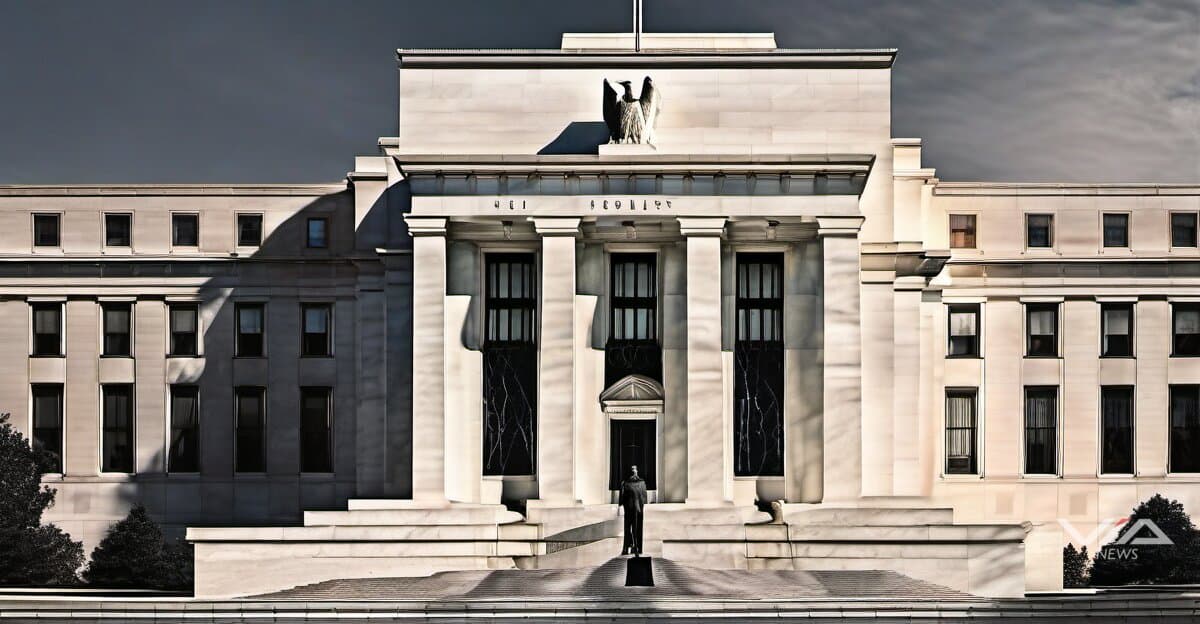
Fed Chair Jerome Powell's term expires May 2026, creating leadership uncertainty at a critical juncture for monetary policy independence. "This is an existential moment for the Fed in our democracy. He needs to prevent the president from getting a majority on the board," said David Wessel, highlighting concerns about political pressure on the central bank.
Treasury yields face dual pressures from entitlement insolvency risks and Fed transition uncertainty. Bond markets must price in both fiscal deterioration and potential shifts in monetary policy credibility if Powell's successor lacks independence. The 10-year yield already reflects concerns about long-term deficit sustainability.
Only 24% of current Social Security recipients will see reduced taxable income from the new law, according to the Center for Budget and Policy Priorities, concentrating benefits among higher earners while accelerating trust fund depletion for all beneficiaries.
UK gilt yields surged following the Spring Statement, demonstrating global fiscal pressures. "Inflation has fallen and government borrowing costs have eased, but unemployment has risen and the growth outlook has weakened," noted David Aikman, describing the mixed economic backdrop facing developed economies.
Middle East conflicts pushed oil above $80 per barrel, constraining fiscal room as energy costs rise. "The conflict in Iran has pushed up oil and gas prices and disrupted shipping routes. If it persists, it will raise household bills and business costs in the months ahead, putting renewed upward pressure on inflation – and potentially interest rates," Aikman warned.
Accelerated depreciation provisions may deliver short-term GDP growth, but the 2032 insolvency deadline creates a fiscal cliff. Investors in duration-sensitive assets face repricing risk as entitlement math collides with tax policy reality and Fed independence questions loom over rate paths.