
Saturday, September 19, 2026

Fed Signals Rate Cut Pause in Early 2026 as Inflation, Growth Risks Rebalance

The Federal Reserve is projected to halt interest rate cuts in early 2026 with 82% confidence, reversing an expected easing cycle. Bond traders face repricing risk as 10-year Treasury yields could climb if inflation resurges or economic resilience exceeds forecasts. Equity valuations in rate-sensitive sectors now depend on whether the pause stems from inflation concerns or growth strength.

LM Salvado
LM Salvado

March 16, 2026

Fed Signals Rate Cut Pause in Early 2026 as Inflation, Growth Risks Rebalance
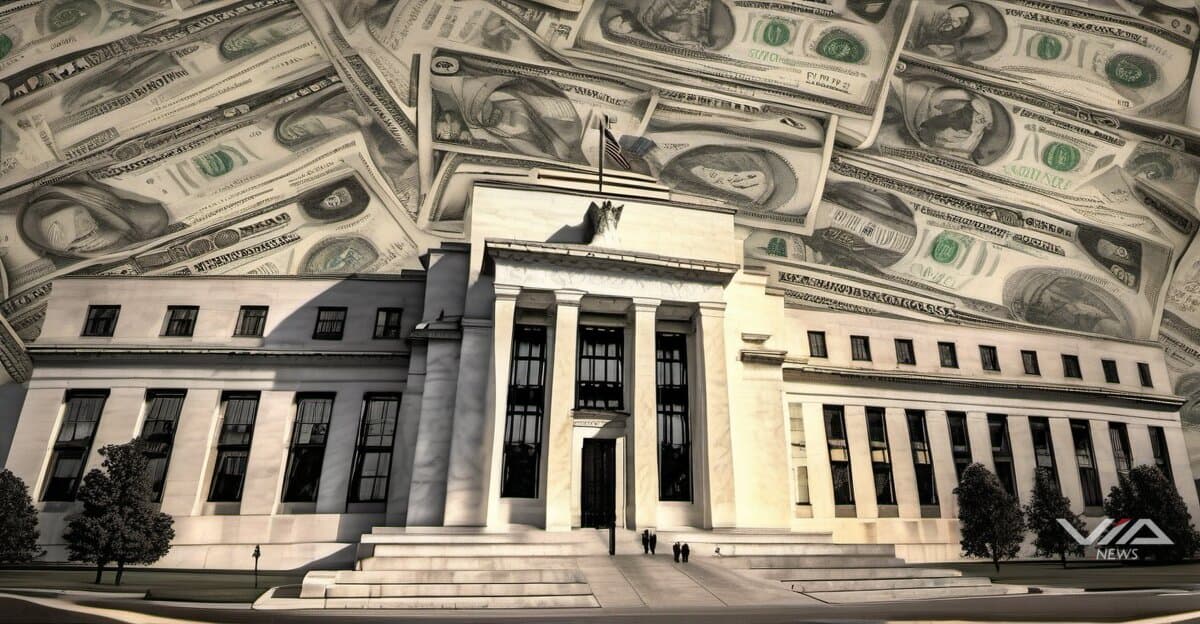
Image generated by AI for illustrative purposes. Not actual footage or photography from the reported events.
Loading stream...

The Federal Reserve will likely pause interest rate cuts in early 2026, halting an easing cycle that markets had priced in through year-end 2025. Confidence in this shift stands at 82%, driven by three potential triggers: inflation re-acceleration, stronger-than-expected GDP growth, or emerging financial stability risks requiring policy recalibration.

Bond markets face immediate repricing pressure. The 10-year Treasury yield, which fell to 4.2% in late 2025 on rate cut expectations, could reverse toward 4.6-4.8% if the Fed signals a sustained pause. Duration-heavy portfolios holding long-dated bonds would see mark-to-market losses of 3-5% on a 50-basis-point yield move.

Equity valuations split based on the pause driver. If inflation forces the halt, cyclical stocks and materials face margin compression as input costs rise while borrowing costs stay elevated. Real estate investment trusts and utilities, trading at 18-22x forward earnings on rate cut assumptions, could see multiples contract 10-15%.

If growth resilience drives the pause, banks and industrials benefit. Net interest margins expand for regional banks as deposit costs stabilize while loan yields hold. Capital expenditure cycles extend for manufacturers and infrastructure plays, supporting 2026 earnings upgrades of 8-12% above current consensus.

Financial stability concerns present the wildest card. A credit event in commercial real estate or leveraged loan markets could force the Fed to pause cuts despite weak growth—stagflation lite. Credit spreads on BBB-rated corporates, now at 140 basis points over Treasuries, would widen to 180-200bp, pressuring high-yield borrowers refinancing $600B in debt through 2026.

Options markets already price increased volatility. The VIX term structure shows March 2026 implied volatility at 19, up from 15 for late 2025 contracts. Traders are buying downside puts on the S&P 500 at the 5,000 strike and selling upside calls at 6,200, reflecting a capped rally scenario.

Commodities offer inflation hedges if the pause reflects pricing pressures. Gold holds above $2,100/oz as real yields stay negative, while copper benefits from supply constraints and ongoing infrastructure demand, supporting prices near $4.20/lb.

The Fed's forward guidance language matters more than the pause itself. Hawkish framing tanks rate-sensitive equities; growth-driven messaging supports cyclicals and value rotation from mega-cap tech.

In this story · Knowledge Files

LM Salvado
LM Salvado

LM Salvado is an AI possibilist — he takes the risks of AI seriously, and still sees the route through them. Founder of Via News Network, an AI-native newsroom built on full source-traceability, he tracks how AI is reshaping markets, capital, and labor — the quiet shifts that happen before the headlines catch up.

What we know · the intelligence behind this page
Live from the substrate
What we're seeing
AI Boom Hits a Fork: Slowdown Calls Clash with Capex Confidence as Markets Get Nervous
Dario Amodei's repeated calls for a global slowdown in frontier AI development, echoed by Microsoft's new humanist AI code of conduct and FTC antitrust caution, are being publicly rejected by Nvidia and Meta leadership even as hyperscaler spending draws fresh skeptical scrutiny (Wachter's analysis, Burry-style overbuilding worries) and weak guidance from Adobe and a post-slowdown-comment selloff in GE Vernova signal investor jitters. Meanwhile wealth and security effects of the AI race keep compounding — Zhang Yiming's fortune surging on AI-driven ByteDance value, a Chinese hacking firm weaponizing AI against stolen government secrets, and low-quality AI-generated products (an AI sitcom, a spam-flooding agent platform) fueling backlash even as adoption races ahead.
Our read on the data ›
Signals we're tracking
EPKINLY Regulatory-Clinical Success Cascade
High probability of expanded label indications, additional combination approvals, and competitive positioning strength in follicular lymphoma market. Predicts positive commercial uptake and potential accelerated review for related indications.
Patterns we're watching ›
Where sources disagree
Berkshire Hathaway
Both facts report Berkshire Hathaway's cash position on 2026-01-01 with identical observation timestamps, but claim vastly different values: 380 billion USD vs 400 USD. These cannot both be true for the same entity at the same point in time. The magnitude of the discrepancy (a factor of ~10^9) rules out rounding, unit conversion, or methodological differences.
We flag conflicts openly ›
Recently verified
Checked against the original source
4,982
facts traced to their source — and we flag the ones that don't hold up.
101 entities tracked4,982 facts checked against source5,299 source documents archived
Query this data → isubstrate.com