
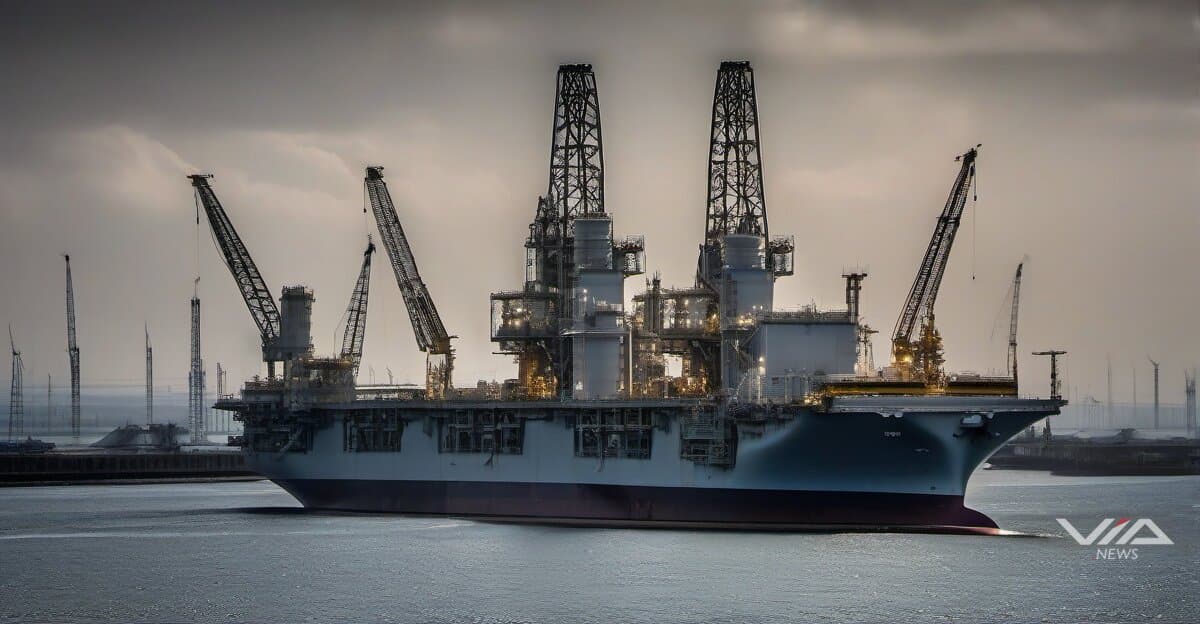
The S&P 500 dropped 2.5% following Iranian military strikes on energy infrastructure across nine countries, with Korean stocks plunging 12% in the sharpest regional decline. The attacks included a critical strike that halted Qatar LNG production, triggering immediate supply concerns across global energy markets.
European natural gas prices surged 85% as traders priced in supply disruptions from the coordinated strikes. The commodity spike pressured equity markets already navigating inflation concerns, with Treasury yields climbing higher as investors reassessed rate expectations.
Korean markets bore the brunt of the selloff, reflecting the region's dependence on energy imports and proximity to geopolitical risk. The 12% decline marked one of the steepest single-day drops in the market's recent history, with technology and manufacturing sectors leading losses.
The crisis arrives as Federal Reserve Chair Jerome Powell delivers his semiannual testimony to Congress. Rising energy prices complicate the Fed's monetary policy stance, potentially reigniting inflation pressures just as the central bank weighs its next moves on interest rates.
Market observers are discussing a potential Fed-Treasury "accord" framework that could coordinate monetary policy with debt management. Former Fed Vice Chair Richard Clarida suggested such an agreement could provide a structure for the Fed to work with Treasury and housing agencies Fannie Mae and Freddie Mac to reduce its balance sheet.
Tim Duy warned the accord could function as yield-curve control, with a public agreement synchronizing the Fed's balance sheet with Treasury financing and explicitly tying monetary operations to deficits. Michael Ball noted that mapping Fed balance sheet reduction to a predictable Treasury debt plan would give markets clarity on liquidity and supply.
The energy infrastructure attacks exposed vulnerabilities in global supply chains, with Qatar's LNG production halt raising concerns about winter heating supplies in Europe and Asia. Crude oil prices jumped on the news, adding to inflationary pressures.
Currency markets reflected the flight to safety, with the dollar strengthening against emerging market currencies. Gold prices rose modestly as investors sought traditional safe-haven assets amid the escalating crisis.