
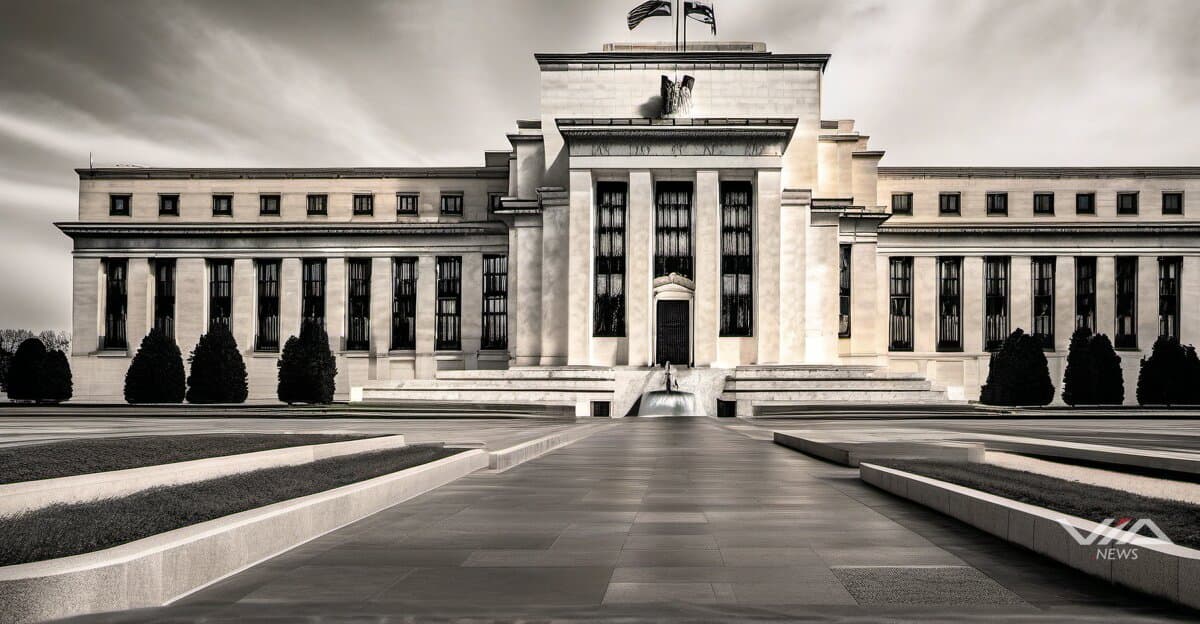
Major central banks are entering an extended rate-holding period in March 2026, with the Federal Reserve, ECB, Bank of Russia, and Brazil's central bank all pausing policy changes within days of each other. The coordinated stance reverses earlier market expectations for continued easing cycles.
Former Cleveland Fed President Loretta Mester said the Fed is positioned to hold rates while the labor market remains stable and inflation stays above target. "The labor market has stabilized, and they need to keep policy a bit restrictive to help inflation move back down to 2%. It's a good time to wait," Mester stated.
The Fed won't resume rate cuts until policymakers see convincing evidence that inflation is retreating to 2% or the labor market loses significant momentum, according to Mester. She noted current labor weakness stems from immigration restrictions and tariffs, not conditions the Fed can address with rate tools.
Brazil's central bank monetary policy director Nilton David flagged new complications, saying the Iran war adds risk to Brazil's economic outlook and could require reassessing how the bank calibrates monetary policy after March's meeting.
Market Implications
The synchronized pause impacts global asset classes. Stock markets face headwinds from sustained higher borrowing costs, particularly growth stocks and rate-sensitive sectors like technology and real estate. Bond yields may remain elevated as markets price out near-term rate cuts.
Commodity markets show mixed effects. Higher rates typically pressure gold and industrial metals, but geopolitical tensions from the Iran conflict could support safe-haven demand. Oil prices face opposing forces from rate pressure and supply concerns.
Forex markets are repricing rate differentials. The dollar strengthens against currencies whose central banks signal faster easing. Emerging market currencies face pressure from higher U.S. rates and reduced capital flows.
Global equity indices respond differently based on regional inflation dynamics. U.S. indices with high tech exposure face greater pressure. European markets may benefit from relative stability if the ECB maintains current policy. Emerging market indices remain vulnerable to capital outflows.
Trading opportunities emerge in volatility instruments as policy uncertainty persists. Mester acknowledged diverse Fed views, stating: "In an environment this difficult to read, I don't think it's very unusual or surprising that you'd have different views."
The pause reflects stubborn inflation across developed and emerging economies, tight labor markets despite recent softening, and policy-induced constraints including immigration restrictions and tariffs that central banks cannot offset with traditional monetary tools.