
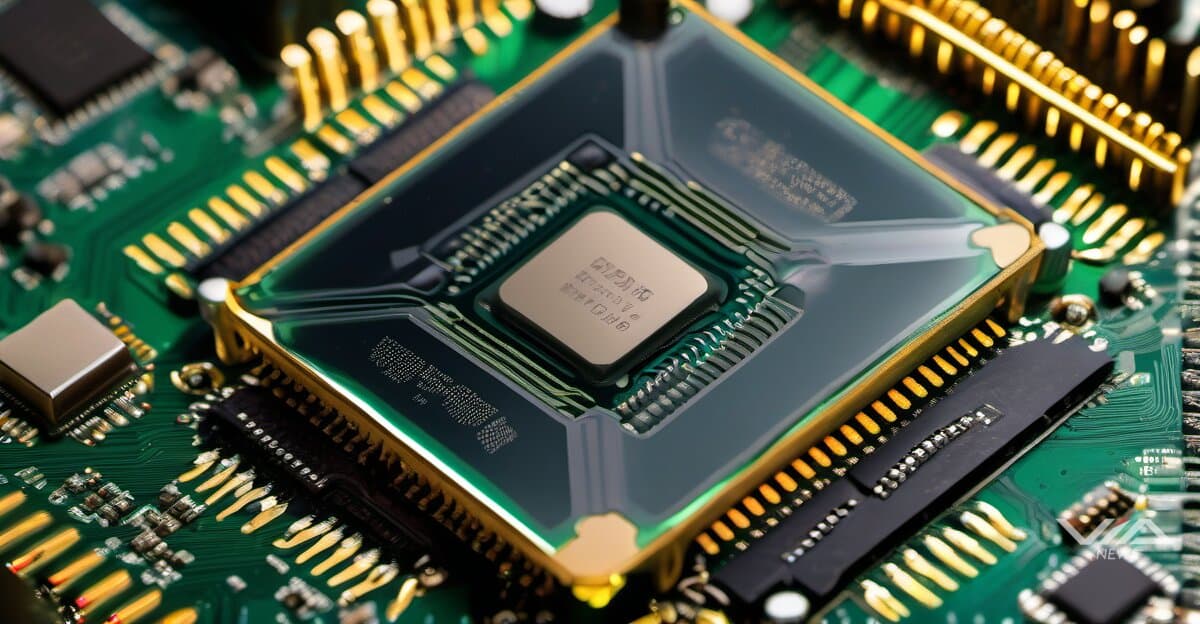
The semiconductor industry faces a 3-4% supply shortage concentrated in DRAM, NAND memory chips, and AI accelerators, with prices entering what market observers describe as parabolic growth. The imbalance stems from AI infrastructure buildout outpacing manufacturing capacity.
Nvidia shares gained momentum heading into earnings season, reflecting investor confidence in AI chip demand. The company dominates datacenter accelerators as hyperscalers race to expand computing capacity for large language models and training workloads.
Inspire Semiconductor unveiled its Thunderbird I datacenter accelerator, targeting high-performance computing and AI workloads with claims of superior energy efficiency. The company positions the chip as addressing performance gaps in graph analytics and compute-intensive applications beyond traditional GPU architectures.
Wolfspeed confronts existential financial concerns despite supplying silicon carbide semiconductors to Toyota's electric vehicle platforms. The company's technology serves as a foundational element in EV power systems, supporting partnerships with multiple OEMs and Tier 1 suppliers. Yet stock performance lags as investors question profitability timelines in capital-intensive wide bandgap semiconductor manufacturing.
STMicroelectronics announced complete portfolio support for Aliro 1.0, the unified digital access standard spanning NFC-only configurations through combined NFC, Bluetooth Low Energy, and ultra-wideband implementations. The move positions ST in the emerging hands-free access control market for automotive and smart building applications.
Memory chip constraints create pricing power for Samsung, SK Hynix, and Micron as server DRAM demand from AI training clusters collides with manufacturing lead times. High-bandwidth memory variants command premium pricing, with supply allocated to strategic customers building next-generation AI infrastructure.
The sector volatility reflects a fundamental divide: established semiconductor manufacturers face margin pressure and execution risk while pure-play AI chip designers capture investor enthusiasm. Supply-demand imbalances typically resolve over 18-24 months as capacity expansions complete, but AI demand trajectory remains uncertain.
Traders should monitor upcoming earnings from chip equipment makers for capital expenditure guidance, which signals manufacturing capacity additions. Near-term volatility will persist as supply constraints support pricing while financial stress tests weaker players' viability.