

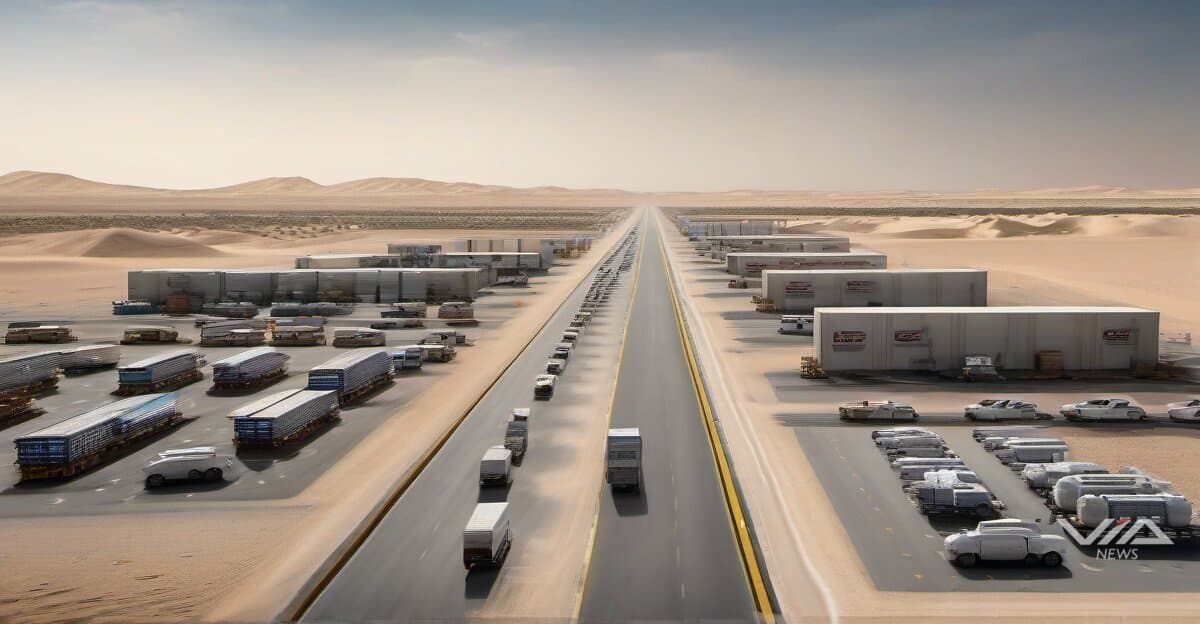
Qatar's EV infrastructure push carries a supply chain vulnerability: most EV components flowing into the country transit UAE logistics hubs.1
A risk assessment dated May 20, 2026 rates another GCC diplomatic breakdown as low probability but catastrophic in potential impact.1
The 2017–2021 blockade—when Saudi Arabia, the UAE, Bahrain, and Egypt severed ties with Qatar—offers the clearest precedent. That isolation choked trade routes and forced rapid supply chain improvisation. An equivalent rupture today would hit harder. Qatar is now midway through a national electrification drive spanning EV infrastructure investment and public transport electrification.1
UAE ports, particularly Jebel Ali, serve as the primary transshipment gateway for EV components destined for Gulf markets. Battery cells, power electronics, and drivetrain parts typically route through Dubai before reaching Qatar. Diplomatic breakdown would force rerouting through Oman or direct long-haul shipping—adding cost and lead time at scale.
Foreign technology partners face a parallel exposure. Charging network contracts, grid integration projects, and fleet electrification programs require multi-year commitments. Regional instability—or sustained uncertainty—deters the long-horizon investment these projects require.1 That deters suppliers before any blockade actually materialises.
For commodity markets, the downstream effects run through copper, lithium, and cobalt demand. Qatar's electrification program represents a consistent demand signal for EV-critical materials. Supply chain disruption would delay or redirect that demand, creating uncertainty for manufacturers with Gulf exposure.
Route concentration is the core risk. When a single logistics corridor handles the majority of component flow for a national infrastructure program, geopolitical friction translates directly into procurement failure. Qatar has limited redundancy built into current supply arrangements.1
Analysts tracking Middle East trade flows should monitor diplomatic signals between Doha and Abu Dhabi as a leading indicator. Deterioration in bilateral relations historically precedes logistics disruption by weeks, not months—giving manufacturers and procurement teams a narrow window to adjust.