

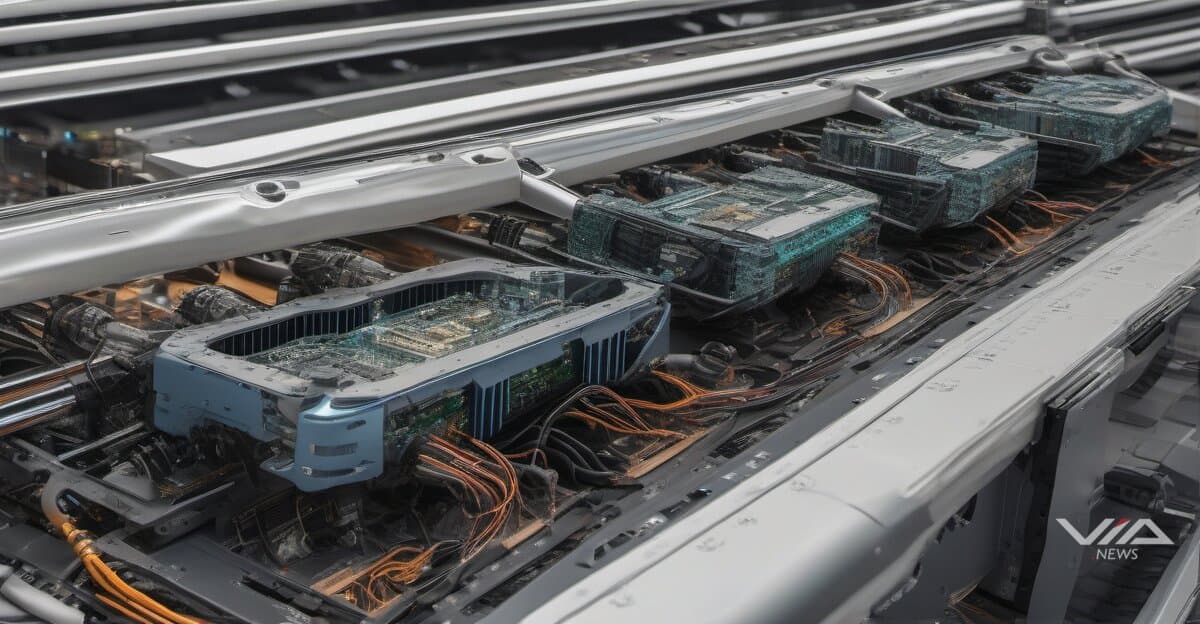
88% of enterprise leaders regret skipping foundational work before deploying agentic AI, the Agentic Enterprise Report 2026 found.1 The data lands as Dell and NVIDIA execute a synchronized buildout—GPU-accelerated processing, exascale storage, and MI350P deployments—pushing enterprise AI infrastructure into its mass-deployment phase across 2026.
The hardware surge is accelerating capital commitments. But 42% of organizations still lack a clear internal owner for agentic AI initiatives.1 That gap is a structural risk: enterprises buying compute before the governance structures to operate it safely exist.
Snowflake's CoCo platform is positioning as the control layer in this environment. Fanatics, Thomson Reuters, and WHOOP are using CoCo to manage workflows across data, models, and applications through a unified governed environment.2 Snowflake frames CoCo as the agentic control plane sitting between raw infrastructure and business processes.
The organizational design problem runs deeper than platform selection. Existing tech stacks were built for human-operated, application-centric workflows—they need reconsidering when AI agents operate at machine speed across multiple systems simultaneously.3 That redesign represents a second, lagging capex cycle distinct from hardware spend.
Early movers on governance are reporting measurable returns. Ema, which shifted to outcome-based metrics, reported 3x ROI within two quarters.1 YC W26 cohort entrants Salus, Moritz, and General Legal are building specifically for guardrails and compliance—a signal that venture capital is pricing governance as infrastructure, not overhead.1
For investors tracking enterprise tech, the pattern points toward a bifurcated spending cycle. Hardware dollars from the Dell-NVIDIA buildout are already deployed. The second wave—governance tooling, compliance infrastructure, organizational redesign—will concentrate spending through 2026 as the majority who skipped foundations are forced to retroactively build them.
AI agents function not as another stack layer but as connective tissue moving across layers to coordinate tasks and contextualize data from multiple applications.3 That cross-layer dependency makes governance failure expensive: a poorly owned agent operating at machine speed across enterprise systems carries outsized downside.
The market read is direct. Infrastructure spend without ownership structures produces stranded assets. The 42% of organizations without a clear AI lead are the next buyers—of governance software, not just GPUs.