
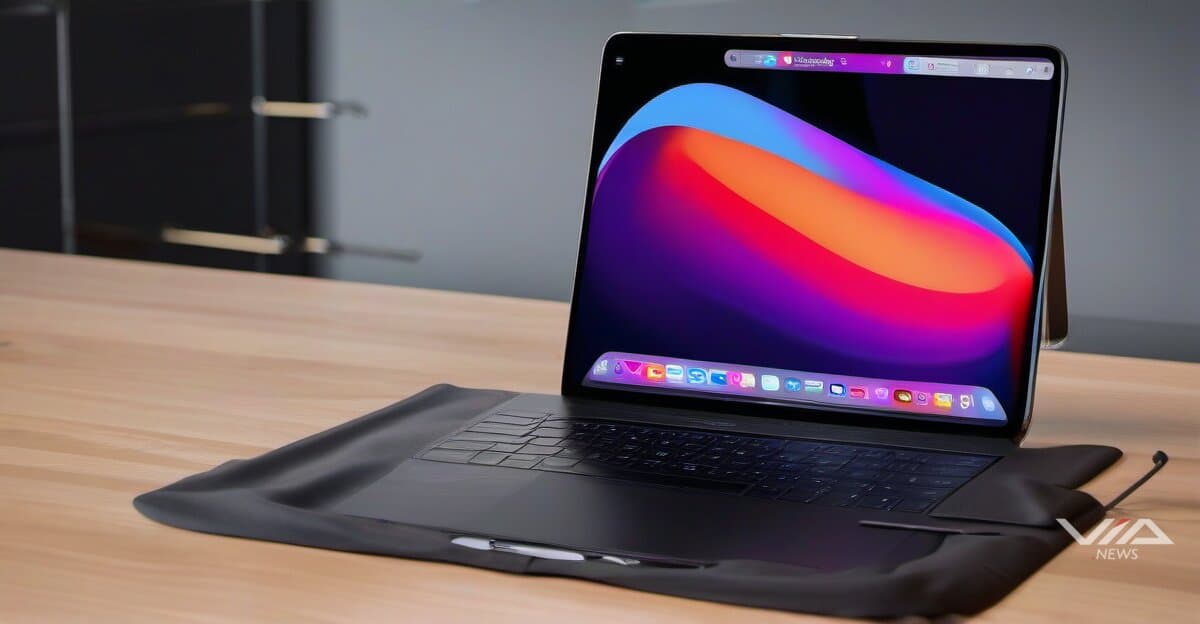
Apple launched M5 Pro and M5 Max chips for MacBook Pro models in early March 2026, competing directly with Samsung's Galaxy S26 advanced processor reveal the same week. The dual announcements drove semiconductor sector sentiment bullish.
Nvidia committed $2B to photonics partnerships with Coherent and Lumentum, signaling a pivot from traditional silicon interconnects to optical solutions for AI workloads. The investments target next-generation data center infrastructure where optical interconnects reduce latency and power consumption for large language model training clusters.
Analog Devices cited strong demand from industrial and data center customers as the artificial intelligence boom continues to drive semiconductor sales. The company's Q4 earnings beat analyst expectations, pushing shares higher alongside sector peers benefiting from AI-driven order books.
Lattice Semiconductor issued Q1 revenue guidance of $158M to $172M, reflecting sustained demand across programmable logic devices. SiTime's acquisition of Renesas timing business is expected to be accretive to non-GAAP earnings per share in the first year post-close, consolidating market share in precision timing solutions for 5G and automotive applications.
STMicroelectronics offers complete secure connectivity portfolios supporting Aliro 1.0 configurations from NFC-only to NFC plus Bluetooth LE plus UWB for hands-free access. Nordic Semiconductor received early certification for Aliro-compatible silicon and software, positioning both companies to capture smart home and automotive access control markets worth $4.2B by 2028.
The semiconductor narrative shows 85% confidence with improving sentiment trajectory. Apple and Samsung product cycles historically drive supplier order surges 6-9 months ahead of launches, benefiting TSMC, SK Hynix, and packaging specialists. Nvidia's photonics shift could redirect $12B in capital expenditures toward optical component suppliers over 24 months, creating new winner-loser dynamics in AI infrastructure buildouts.
Data center semiconductor demand remains the primary driver, with industrial automation and automotive chips providing secondary growth vectors. Investors are rotating into companies with confirmed AI data center exposure and away from consumer-focused analog suppliers facing inventory corrections in smartphone and PC markets.