
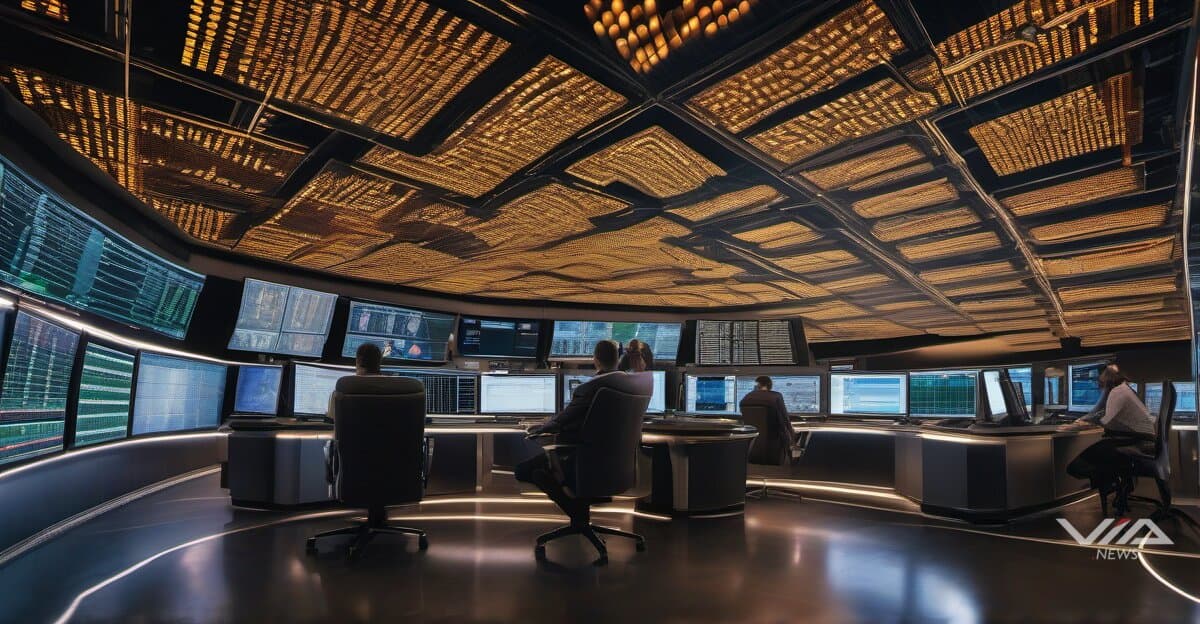
Major market makers are abandoning single-route trading models for multi-route analytical engines with AI-driven volatility interpretation. Flow Traders, TPK Trading, and Galidix have deployed systems featuring synchronized data harmonization and adaptive learning capabilities.
TPK Trading states that platforms synthesizing large-scale data while adapting to volatility will dominate future digital-asset trading. The firm invested in an enhanced AI performance layer as markets demand higher execution precision.
Galidix reports digital-asset markets are progressing toward automated infrastructures where volatility cycles and liquidity conditions evolve faster than legacy systems can process. The company expanded its adaptive AI layer to handle structural shifts across global crypto markets.
The infrastructure transformation addresses market complexity that traditional models cannot parse. Multi-route engines process pricing data, volume activity, liquidity behavior, market depth, and correlation metrics simultaneously. Pattern-recognition algorithms and predictive modeling modules analyze historical and current datasets in real time.
Trading platforms now deploy anomaly-detection layers identifying liquidity gaps, volume surges, and trend reversals as they occur. Automated reaction cycles process market shifts, indicator triggers, and risk-threshold adjustments without human intervention.
Quantum AI's platform exemplifies the technical evolution with multi-layered engines integrating machine-learning interpretation across cryptocurrencies, forex, equities, commodities, and indices. Low-latency routing pathways and distributed server routing enable 24/7 continuous monitoring.
Competitive pressure drives adoption as firms risk falling behind in execution quality. The minimum deposit for platforms like Quantum AI starts at $250, with no subscription fees or maintenance charges. Withdrawal processing typically completes within 24 hours.
Dynamic portfolio rebalancing and multi-asset allocation models replace static strategies. Time-sensitive entry and exit timing depend on volatility detection models that adjust in milliseconds.
The shift reflects broader automation across financial markets where interdependent global systems require synchronized analysis. Firms lacking adaptive AI layers face execution disadvantages as market makers with deep learning capabilities capture better pricing and liquidity access.