

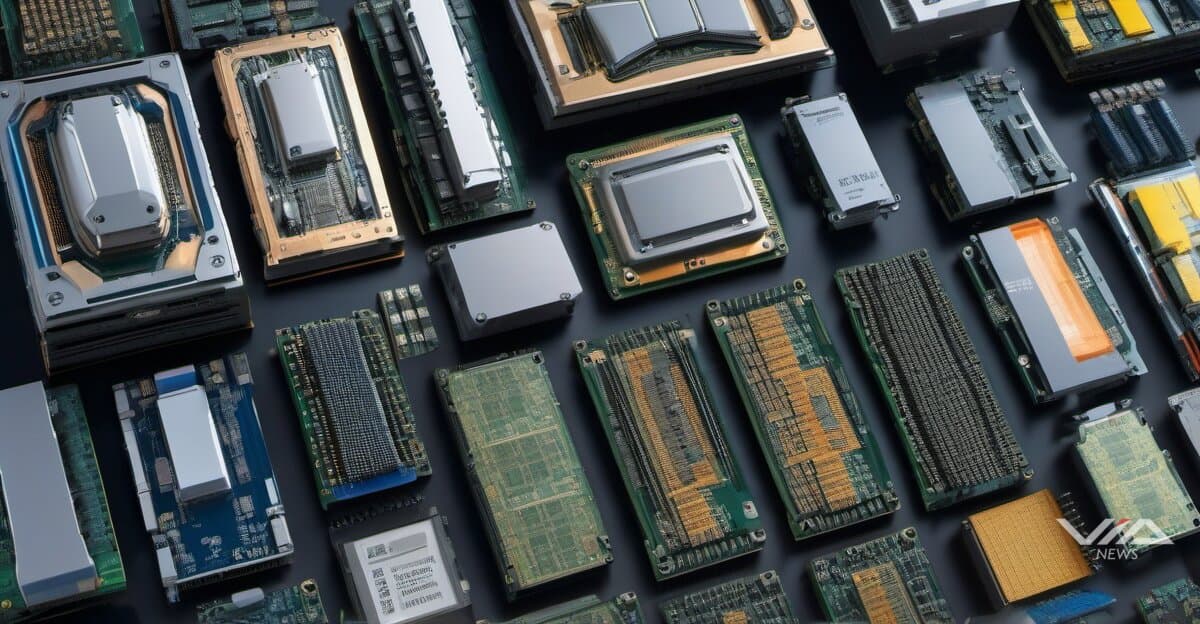
Intel cannot meet strong demand as memory supply constraints reach their peak in Q1 2026, according to the company's recent guidance.1 The shortages are disrupting PC builds and AI infrastructure deployment across the semiconductor industry.
Memory availability has become the critical bottleneck for AI hardware manufacturers. Christopher Rolland notes that memory shortages are hurting PC builds, which could negatively impact Intel's near-term performance.2 The constraint extends beyond traditional computing, as agentic AI workloads are driving an inflection in CPU demand at precisely the moment when memory supply cannot keep pace.3
Intel expects supply constraints to clear starting in Q2 2026, leading to above-seasonal results quarterly once the bottleneck eases.4 This timeline creates a sharp divide between companies with secured memory allocations and those scrambling for spot market supply.
The shortage is forcing analysts to reassess semiconductor stock positions. Susquehanna raised Intel's price target, likely betting on the company's ability to capitalize once constraints lift.5 Meanwhile, JPMorgan downgraded Fabrinet and Corning, signaling concern about supply chain exposure.6
Qualcomm faces near-term pressure in the smartphone market due to the memory supply shortage combined with market share losses, according to JPMorgan.7 This dual pressure illustrates how memory constraints amplify existing competitive disadvantages.
The Q1 2026 bottleneck creates investment implications across AI infrastructure stocks. Companies with locked-in HBM and DRAM allocations from Samsung, SK Hynix, and Micron should maintain production schedules while competitors face delays. The memory spot market will likely see price spikes through March 2026 before easing in Q2.
Sequential growth rates comparing Q1 to Q2 2026 will reveal which manufacturers secured adequate memory supply. Investors should monitor whether the anticipated Q2 recovery materializes as Intel projects, or whether memory constraints persist longer than current guidance suggests.